The Best Time to Visit Morocco: A Guide for Every Activity
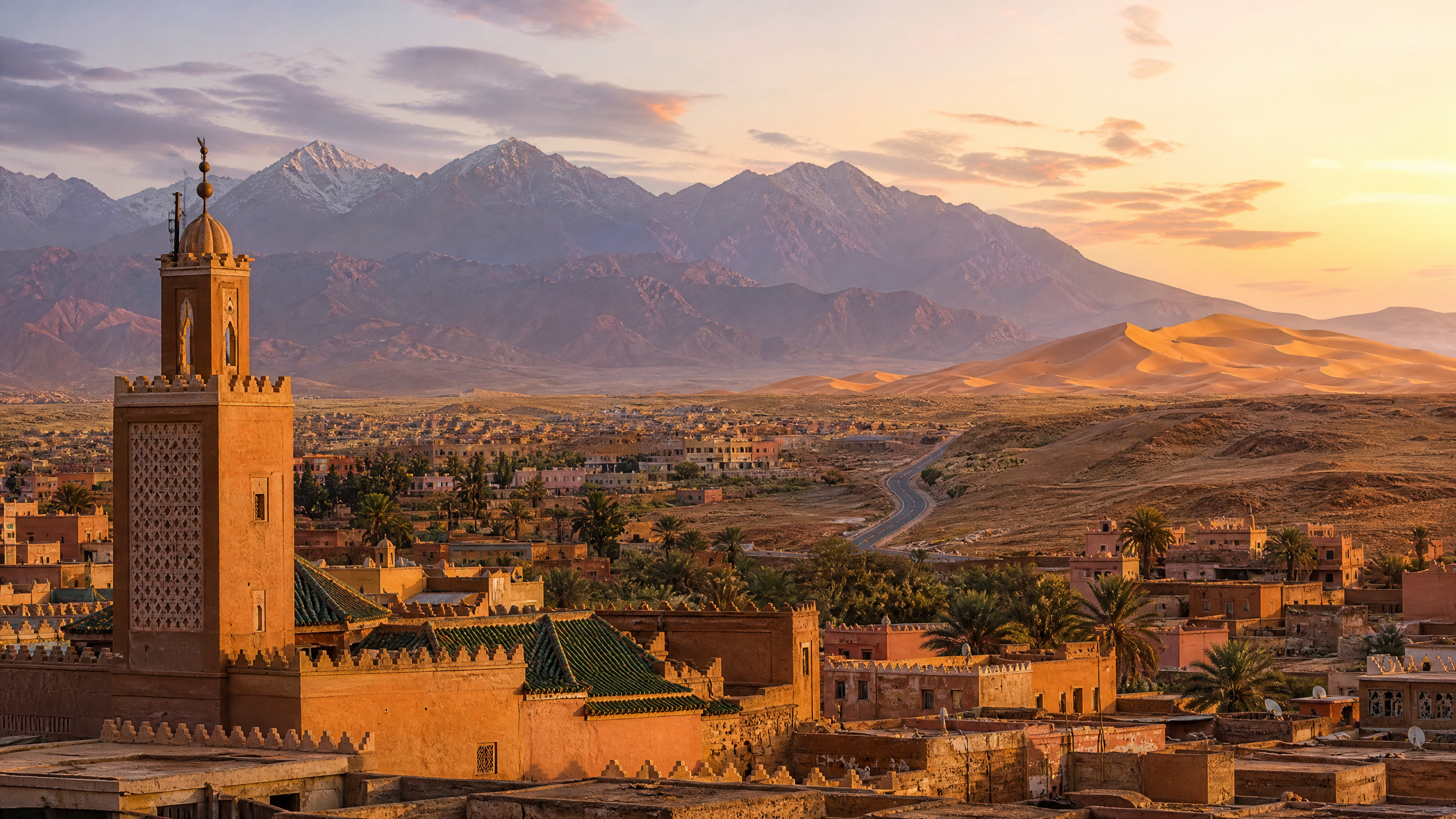
Choosing the best time to visit Morocco depends entirely on what you want to experience. From the snow-capped peaks of the Atlas Mountains to the sun-drenched dunes of the Sahara, Morocco’s diverse geography means that while one region is in its prime, another might be facing extreme conditions. Whether you are planning a deep cultural immersion in the imperial cities, a trekking adventure, or a surfing retreat, understanding the seasonal nuances is key to an unforgettable journey.
Sightseeing in the Imperial Cities
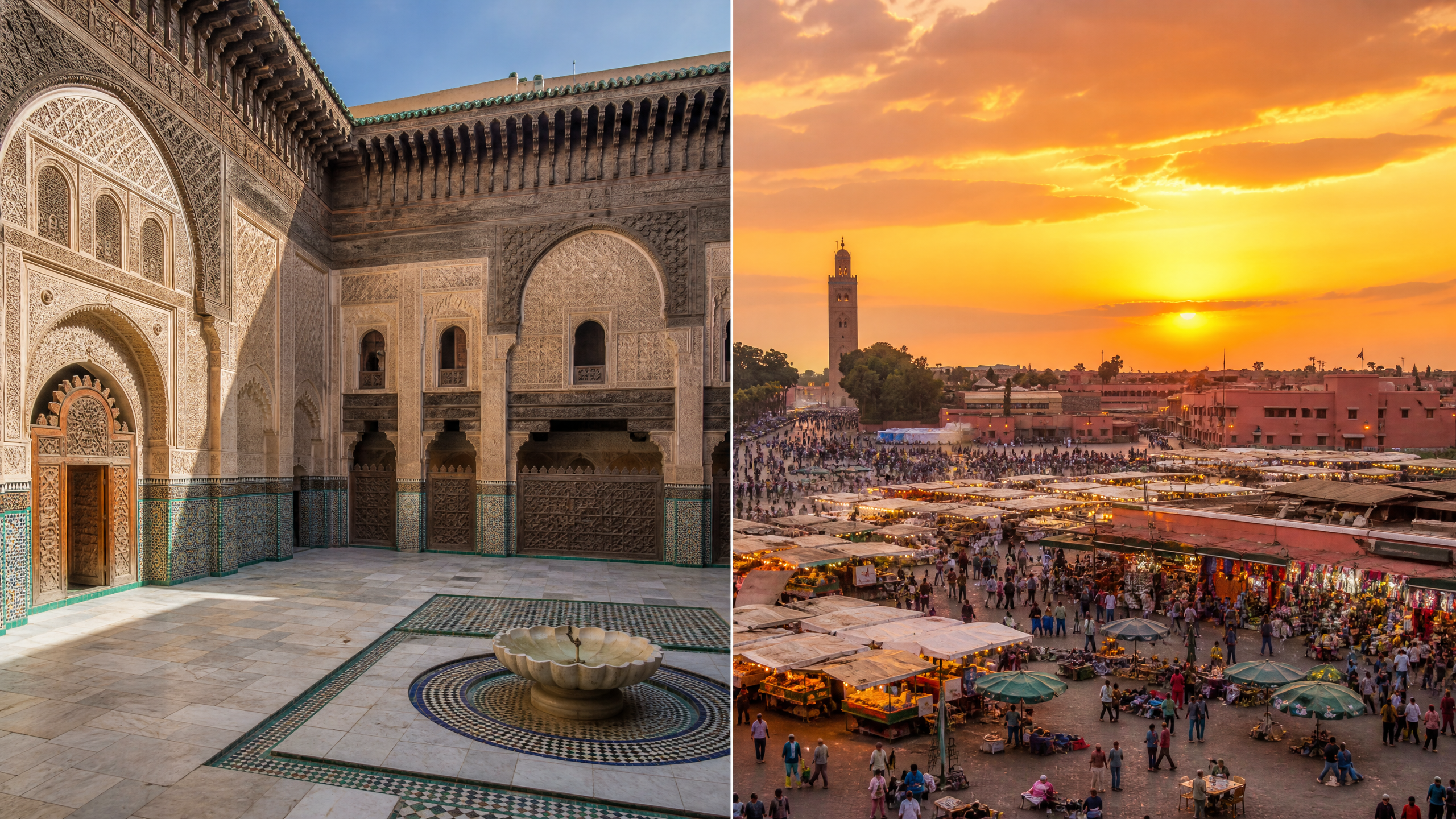
For exploring the vibrant medinas of Marrakech, Fes, and Rabat, the shoulder seasons of Spring (March to May) and Autumn (September to November) are undoubtedly the best. During these months, the weather is pleasantly warm, typically ranging between 20°C and 25°C, making long walks through the labyrinthine streets comfortable. Summer (July and August) can be punishingly hot in the interior, with temperatures often soaring above 40°C, while winter can bring surprisingly chilly evenings and occasional rain.
Sahara Desert Expeditions
The Sahara is a land of extremes. To enjoy the dunes of Merzouga or Zagora comfortably, aim for October, November, or March and April. These months offer manageable daytime temperatures and clear, starry nights. Winter (December to February) is also a popular time for its crisp air and incredible stargazing, though you must be prepared for freezing temperatures once the sun goes down. We strongly advise avoiding the desert in the peak of summer, as the heat becomes prohibitively intense.
Trekking the Atlas Mountains
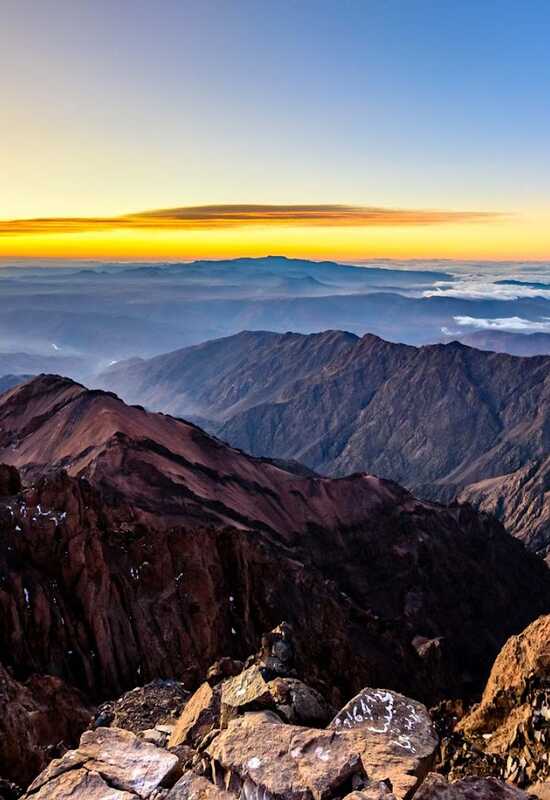
Hikers and nature lovers will find the Atlas Mountains at their most beautiful in late Spring (April and May). The winter snow has melted, the valleys are lush and green, and wildflowers carpet the slopes. September and October are also excellent for trekking, offering stable weather and cooler air after the summer heat. While trekking is possible in summer at higher altitudes, early starts are essential to avoid the midday sun. For experienced mountaineers, winter offers the unique opportunity to climb Mount Toubkal with crampons and ice axes.
Surfing the Atlantic Coast
While Morocco is a year-round destination, surfing enthusiasts should set their sights on the Winter months (December to March). This is when the North Atlantic groundswells are most consistent, creating world-class waves at spots like Taghazout and Imsouane. For beginners, the smaller swells of autumn and spring are often more approachable. If you are more interested in windsurfing or kitesurfing, the summer months in Essaouira provide the reliable high-wind conditions you need.
Cultural Immersion & Festivals
Timing your visit with a local festival can add a profound layer to your trip. The Rose Festival in May (Kelâat M’Gouna) and the Gnaoua World Music Festival in June (Essaouira) are highlights of the Moroccan calendar. Traveling during Ramadan offers a unique spiritual perspective, as you witness the country’s traditions firsthand, though it requires some flexibility with daytime dining and opening hours. Regardless of when you choose to visit, Morocco’s hospitality remains constant throughout the year.
Plan a private Morocco tour
Inspired by this guide? Tell us your dates and interests and we'll craft a tailor-made itinerary just for you — we reply within 24 hours.